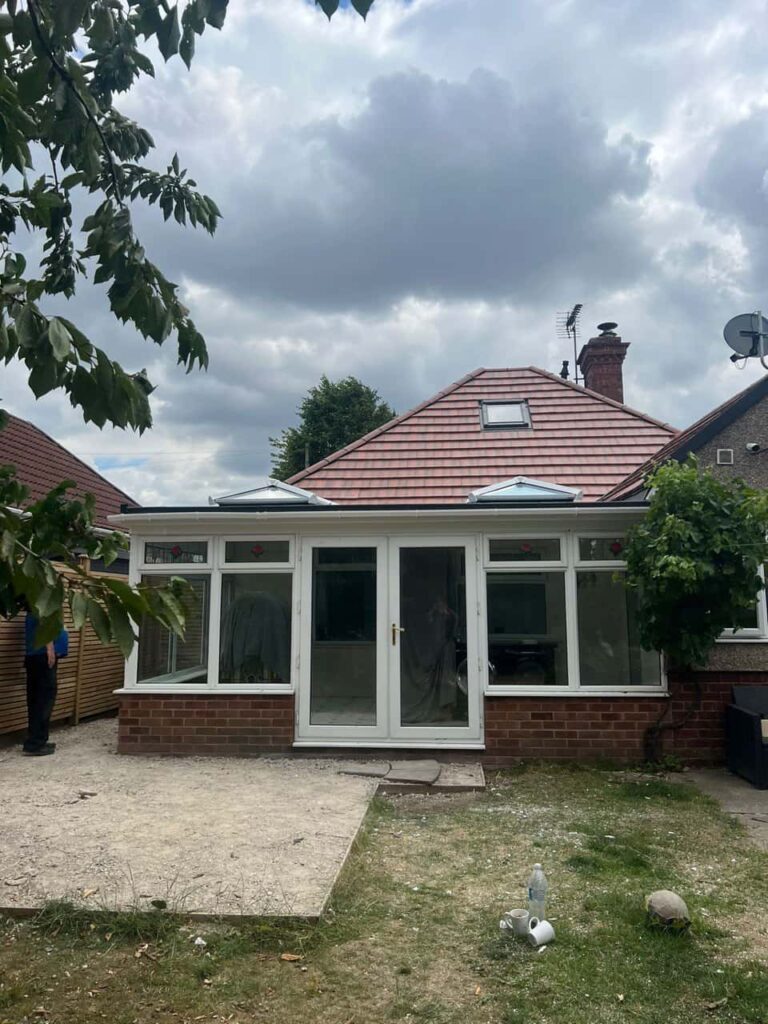
Addressing Connected Roofing Problems as a Complete System
A roof can develop several weaknesses at the same time. Slipped tiles, deteriorated underlay, failing flashing and recurring leaks may appear to be separate faults, but they often result from materials reaching a similar stage of wear.
Where deterioration is widespread, a replacement roof can address these connected problems within one coordinated project. This does not mean every roof with multiple defects needs replacing. The decision should follow a professional assessment of the covering, supporting components and vulnerable junctions.
What Types of Weakness Can Be Addressed?
Replacing a roof allows the external covering and accessible underlying components to be examined together. Depending on the roof’s condition, the work may address:
- Cracked, loose or deteriorated tiles
- Worn slate fixings
- Degraded underlay
- Rotten or weakened battens
- Damaged roof decking
- Deteriorated ridge and verge details
- Defective valleys
- Failing flashing and abutments
- Weaknesses around roof penetrations
- Inconsistent previous repairs
Treating these details as part of the same roof system can provide a more coherent result than repeatedly patching individual symptoms.
Removing the Covering Reveals Concealed Problems
Some deterioration cannot be fully assessed from the surface. Water may have affected battens, underlay or decking without creating an obvious external sign.
During roof replacement, the existing covering is removed so that accessible supporting materials can be examined. Any unsuitable sections can then be addressed before the new covering is installed.
This is particularly valuable where leaks have appeared in several places or dampness has persisted for some time.
A New Underlay Restores Secondary Protection
Tiles and slates form the primary covering, but underlay provides an important secondary layer beneath them. If it becomes torn, brittle or degraded, small amounts of water passing the outer covering may reach the roof structure.
A replacement roof normally allows this layer to be renewed across the work area, creating continuous protection rather than relying on isolated patches.
Battens and Fixings Can Be Renewed Together
Repeatedly slipping tiles or slates may indicate that the issue lies with their fixings or supporting battens. Replacing only the visible materials will not provide a lasting solution if the components beneath them are weak.
Coordinated replacement allows battens and fixings to be installed consistently. This supports secure alignment across the roof and reduces reliance on a mixture of old and new details.
Valleys and Junctions Can Be Reformed
Valleys, wall abutments, chimneys, rooflights and changes in roof level are common points of water ingress. These areas handle concentrated rainfall and must connect different materials correctly.
A replacement project provides an opportunity to reform deteriorated junctions and integrate them with the new covering. This can be especially important where previous repairs overlap or where several details have begun failing.
Drainage Can Be Considered Across the Whole Roof
Roof problems are not always caused by the covering alone. Blocked outlets, poorly performing valleys and defects at the eaves can direct water towards vulnerable areas.
Considering the entire roof allows rainfall routes to be reviewed from ridge to gutter. Any drainage-related weaknesses within the project can then be addressed alongside the new materials.
When Might Repairs Still Be Suitable?
Multiple defects do not automatically make replacement necessary. Coordinated repairs may remain appropriate when:
- Damage is limited to one defined area
- Most tiles or slates remain serviceable
- Underlay and battens are generally sound
- The structure is stable
- Leaks have identifiable local causes
- Roof junctions can be repaired independently
The purpose of an inspection is to determine whether the weaknesses are isolated or part of general deterioration.
Signs That a Wider Solution Should Be Considered
A broader roofing solution may be worth assessing when:
- New leaks continue appearing
- Several slopes require attention
- Earlier patches repeatedly fail
- Tiles break during nearby repair work
- Underlay is deteriorating across large areas
- Many fixings have weakened
- Several roof junctions are defective
- Internal dampness continues to spread
These patterns suggest that treating each fault separately may no longer restore dependable performance.
The Value of a Detailed Roof Assessment
Before recommending replacement, a roofer should assess the roof covering, underlay, battens, flashing, valleys, drainage and internal signs of moisture. The findings should distinguish between components that remain serviceable and those that require renewal.
This evidence-led approach ensures the work reflects the actual condition of the roof rather than its age or appearance alone.
Conclusion
A replacement roof can solve several connected weaknesses by renewing the covering, underlay, battens, fixings and vulnerable junctions as one coordinated system. It may be appropriate when defects are widespread or repeated repairs no longer provide reliable protection.
If your roof is developing problems in several areas, LJ Roofing Calne can carry out a professional assessment and explain the most suitable scope of work. Contact the team to arrange an inspection for your property in Calne, Wiltshire.
Call us on: 01249 477 793
Click here to find out more about Roofing Calne
Click here to complete our contact form and see how we can help with your roofing needs.