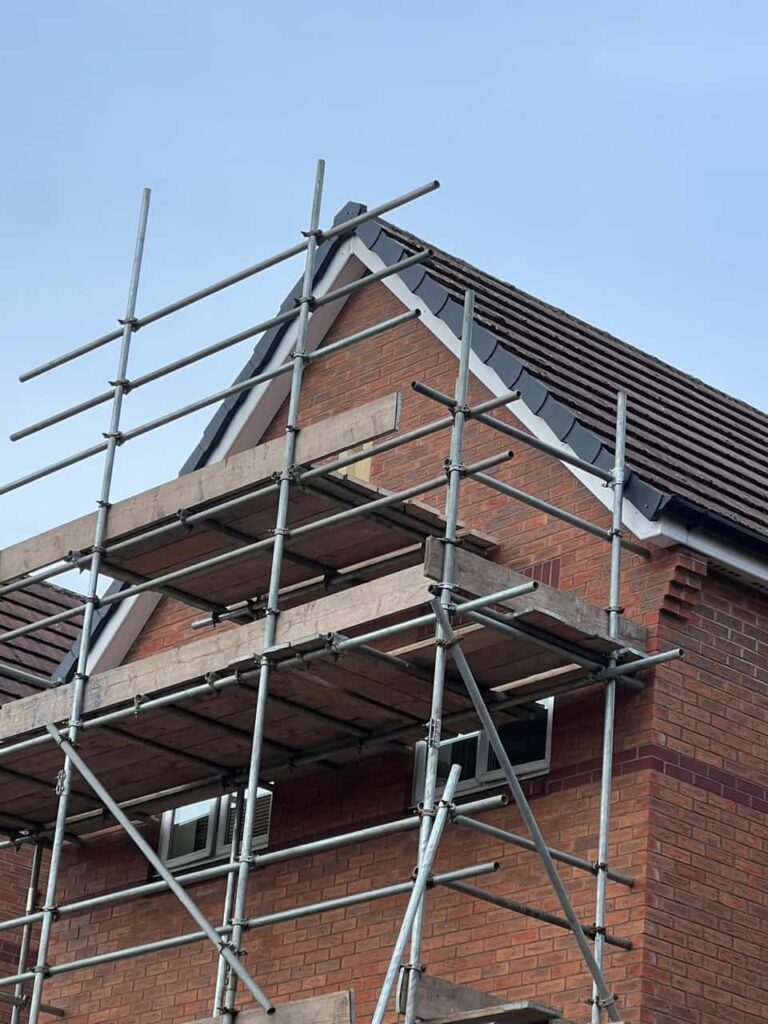
A small roofing problem can be easy to postpone, particularly when the roof is still keeping most of the property dry. A slightly displaced tile, an occasional damp patch or a deteriorating section of flashing may not initially seem urgent. However, roofing defects rarely remain completely static. Continued exposure to rain, wind and changing weather can allow a localised weakness to affect surrounding materials.
For homeowners in Calne, Wiltshire, dealing with roofing problems at an earlier stage can often provide more options for putting them right. At LJ Roofing Calne, professional roof assessment focuses on identifying both the visible defect and its underlying cause, allowing appropriate repairs to be considered before unnecessary deterioration develops.
Why Small Roof Defects Can Become More Complicated
A roof functions as a complete weather-resistant system. Tiles, slates, underlay, battens, flashing and other components work together to prevent water from reaching the property below.
When one component develops a defect, neighbouring materials can initially remain unaffected. If the problem is left exposed, however, moisture and movement can gradually extend the damage.
For example, one slipped tile may begin as a relatively isolated problem. If rainwater repeatedly enters beneath it, the issue can eventually involve materials underneath the roof covering.
This is why the timing of a repair can influence how much work is ultimately required.
Early Problems Are More Likely to Remain Localised
One of the main advantages of prompt roof repairs is the opportunity to deal with a problem while it remains confined to a specific area.
Typical early defects can include:
- Cracked or broken tiles
- Slipped roofing materials
- Local flashing deterioration
- Minor ridge defects
- Small areas of water ingress
- Damage around roof junctions
Where surrounding materials remain sound, these issues may be suitable for targeted repair without unnecessarily disturbing larger sections of the roof.
Water Ingress Can Quickly Change the Situation
The seriousness of a roof defect is not always reflected by its visible size.
Even a small opening can allow water beneath the external covering. Once inside the roofing system, moisture may travel beyond the original defect and affect other components.
Potentially affected areas include:
- Roofing underlay
- Timber battens
- Roof timbers
- Insulation
- Internal ceilings and finishes
The longer water continues entering, the greater the possibility that a simple surface defect will develop into a more extensive repair.
A Small Leak Does Not Automatically Mean Major Roofing Work
Discovering a roof leak can understandably cause concern, but water ingress does not necessarily mean that the entire roof has failed.
Where a leak originates from one clearly defined defect and the surrounding roof remains serviceable, a focused repair may provide an effective solution.
The important part is establishing exactly where the water is entering and why.
A professional roof inspection can determine whether the problem involves one damaged component or whether deterioration has spread into neighbouring areas.
The Location of a Damp Patch Can Be Misleading
Roof leaks can be difficult to diagnose because water does not always fall directly downwards from its entry point.
Once beneath tiles or slates, moisture can travel along underlay, battens or structural timbers before becoming visible inside the property.
As a result, a damp patch on a ceiling may be some distance from the actual roofing defect.
This is why effective roof repair should be based on proper investigation rather than simply treating the area immediately above an internal stain.
Early Attention Can Help Preserve Existing Roofing Materials
A significant advantage of dealing with roof defects promptly is that more of the existing roof may remain suitable for retention.
If one damaged section can be isolated, sound surrounding materials can often remain undisturbed.
Once deterioration spreads, additional roofing may need to be lifted or renewed to access and repair the affected area correctly.
Early intervention therefore helps create the possibility of a more focused solution.
Flashing Problems Are a Good Example
Flashing is used around vulnerable roof details and junctions to prevent water penetration.
A small area of lifted or deteriorated flashing can initially create a relatively localised weakness. If identified early, repairing the defective detail may restore effective weather protection.
If water continues passing through the opening, however, surrounding materials may eventually become affected.
The original flashing defect may still be relatively small, but the resulting repair can become more extensive because of what has happened underneath.
Slipped Tiles Should Not Be Ignored
One slightly displaced tile can appear insignificant when viewed from ground level.
However, correct tile positioning and overlap are important parts of the roof’s resistance to rain. A slipped tile can expose areas that were designed to remain covered.
Strong winds can also cause already loose materials to move further.
Having displaced tiles assessed promptly can therefore help prevent a straightforward defect from becoming a route for repeated water ingress.
Weather Can Accelerate Existing Damage
Roofing defects often become more noticeable following difficult weather.
Strong winds may move weakened components, while prolonged rainfall can expose openings that previously allowed only small amounts of moisture through.
A roof that has performed reasonably well during settled conditions can therefore develop a significant leak when the weather changes.
Addressing known weaknesses before further exposure helps reduce the opportunity for this progression.
Delaying Repairs Can Reduce the Available Choices
At an early stage, there may be several ways to restore a roof depending on the type and extent of the defect.
If deterioration spreads, some of those options may no longer be appropriate.
For example, a problem that initially requires attention to one small section may eventually involve:
- The external roof covering.
- The underlay beneath it.
- Supporting battens.
- Nearby roofing materials.
- Internal areas affected by water ingress.
The repair decision is then being shaped by secondary deterioration rather than just the original defect.
Recurring Defects Need Wider Investigation
Occasional isolated repairs are normal during the life of many roofs.
However, if different problems begin appearing repeatedly, it is important to assess whether they remain genuinely separate issues.
Warning signs can include:
- Leaks appearing in different locations
- Increasing numbers of damaged tiles
- Multiple previous repair areas
- Repeated flashing or junction problems
- Defects developing more frequently
These patterns can indicate that the overall roofing system is becoming less reliable.
Getting the roof assessed before further deterioration occurs can clarify whether continued local repairs remain appropriate.
Early Assessment Does Not Mean Unnecessary Work
Having a roofing problem inspected promptly does not mean that substantial work will automatically be required.
In many cases, the purpose of early assessment is precisely the opposite: to establish whether the problem can be dealt with while it remains limited.
Where the surrounding roof is sound, there is no reason to disturb serviceable materials unnecessarily.
A professional assessment should identify what needs attention and ensure that the repair is proportionate to the actual defect.
What Signs Should Homeowners Act On?
You do not necessarily need to wait for water to begin dripping through the ceiling before arranging an inspection.
Earlier warning signs can include:
- A newly slipped tile
- Cracked roofing materials
- Visible flashing deterioration
- Roofing debris around the property
- Dampness within the roof space
- Water staining
- Changes around ridge or hip areas
- A previously repaired area beginning to deteriorate
Investigating these signs can help identify problems before they become significantly more disruptive.
Why Accurate Diagnosis Makes Better Repairs Possible
The value of professional roofing work begins before any materials are replaced.
Correct diagnosis establishes:
- What has failed
- Why it failed
- How far the damage extends
- Whether surrounding materials remain sound
- Which repair approach is appropriate
Without understanding the cause, there is a risk of treating the visible symptom while leaving the original weakness unresolved.
A well-planned repair should restore the integrity of the affected area rather than simply conceal evidence of the problem.
Professional Roof Repairs in Calne, Wiltshire
At LJ Roofing Calne, we provide professional roofing services throughout Calne, Wiltshire. When investigating a roof defect, we assess both the immediate problem and the surrounding roofing system to determine the true extent of the work required.
Where deterioration remains localised, targeted repairs can preserve sound sections of the existing roof. Where damage has spread, identifying the full extent of the problem helps ensure that the appropriate areas are addressed.
This measured approach provides homeowners with clear guidance based on the actual condition of their roof.
Conclusion
Dealing with roofing problems earlier can often provide more repair options because the damage is more likely to remain localised. A cracked tile, slipped roof covering or small flashing defect may be relatively straightforward to address before continued weather exposure allows moisture to affect surrounding materials.
Waiting can change the nature of the problem. Once water ingress begins affecting underlay, battens or neighbouring areas, a repair that could once have been focused may require more extensive work.
If you have noticed signs of a roofing problem at your property in Calne, Wiltshire, contact LJ Roofing Calne. A professional assessment can identify the cause, establish how far the problem has progressed and determine the most appropriate repair while preserving sound sections of your roof wherever possible.
Call us on: 01249 477 793
Click here to find out more about Roofing Calne
Click here to complete our contact form and see how we can help with your roofing needs.